The EZGlyd story began on the bustling streets of Brooklyn, where our founder observed a critical problem plaguing urban delivery professionals every day. During peak delivery hours, sidewalks became chaotic obstacle courses of parked mopeds, bicycles, and scooters—each representing a delivery worker’s livelihood, yet collectively creating hazards for pedestrians and legal headaches for riders Brooklyn Downtown Star coverage of our startup journey.
EZGlyd story begins in 2023, our founder spent three months shadowing delivery riders across Brooklyn and Queens, conducting informal interviews that revealed a consistent pattern of frustration. Riders faced a daily paradox: they needed reliable vehicles to earn their living, but those same vehicles created parking nightmares that resulted in tickets, theft, and constant stress.
“I received over $2,400 in parking violations in a single year. That’s nearly three weeks of my earnings gone in fines.” Delivery Rider, Long Island City
The research revealed that delivery workers in New York City make an average of 30-40 deliveries per 10-hour shift, covering 60-80 miles daily. With 65,000 active delivery riders in NYC alone, the cumulative impact on urban infrastructure was staggering. Yet despite this massive economic contribution, riders lacked purpose-built solutions for their unique challenges our rider research in Queens revealed these patterns.
EZGlyd story initial concept emerged during a late-night brainstorming session in a Williamsburg coffee shop. What if a delivery vehicle could transform from a full-size cargo scooter into a compact, portable package? The first sketches were rough—drawn on napkins and the back of receipt paper—but the core idea was revolutionary: a vehicle that could fold vertically without compromising cargo capacity or riding stability our patent protection covers this core innovation.
Our founding team pooled personal savings—$75,000 initially—to hire a mechanical engineer and create our first 3D models. The design process focused on five non-negotiable requirements derived from rider feedback:
The first functional prototype took six months to build. It was bulky, weighed 85 pounds, and required two people to fold—but it proved the concept worked. When we demonstrated it to a group of 20 delivery riders in Long Island City, their enthusiasm validated our direction.
“This is exactly what we need. Something that can carry my food bags and fit in my apartment elevator.” NYC Delivery Rider
EZGlyd story With a working prototype, we began fundraising in early 2024. The pitch was simple but compelling: the last-mile delivery market was growing at 8.7% annually, reaching $258 billion by 2030, yet 60% of urban trips remained under three miles—perfect for micromobility solutions Fortune Business Insights market data.
Investors immediately recognized the market opportunity, but they had one consistent concern: defensibility.
This concern drove our intellectual property strategy. We filed our first design patent in March 2024, covering the unique aesthetic and functional elements of our folding mechanism. The non-provisional utility patent followed in June 2024, protecting our core technology: an integrated cargo mounting system that remains stable during the folding process our patent protection covers core innovation.
Brooklyn-based angel investors led our pre-seed round, contributing $250,000. Their investment thesis was clear:
“We don’t just see a vehicle. We see a platform for transforming how cities think about cargo mobility.” Lead Angel Investor, Brooklyn
This funding allowed us to refine our prototype, reducing weight to 62 pounds and improving the folding mechanism to a single-operator system Brooklyn Downtown Star coverage of our funding.
Summer 2024 marked our first pilot program with 15 delivery riders across Brooklyn and Queens. We provided free vehicles in exchange for detailed feedback and usage data. Over three months, these riders completed:
Weather protection proved crucial. During a September rainstorm that lasted three days, our riders with integrated rain covers completed 94% of their scheduled deliveries, while traditional bike riders stopped working entirely. This reliability translated directly to income stability—a key factor for gig economy workers who lack traditional employment benefits our fleet deployment strategy addresses weather challenges.
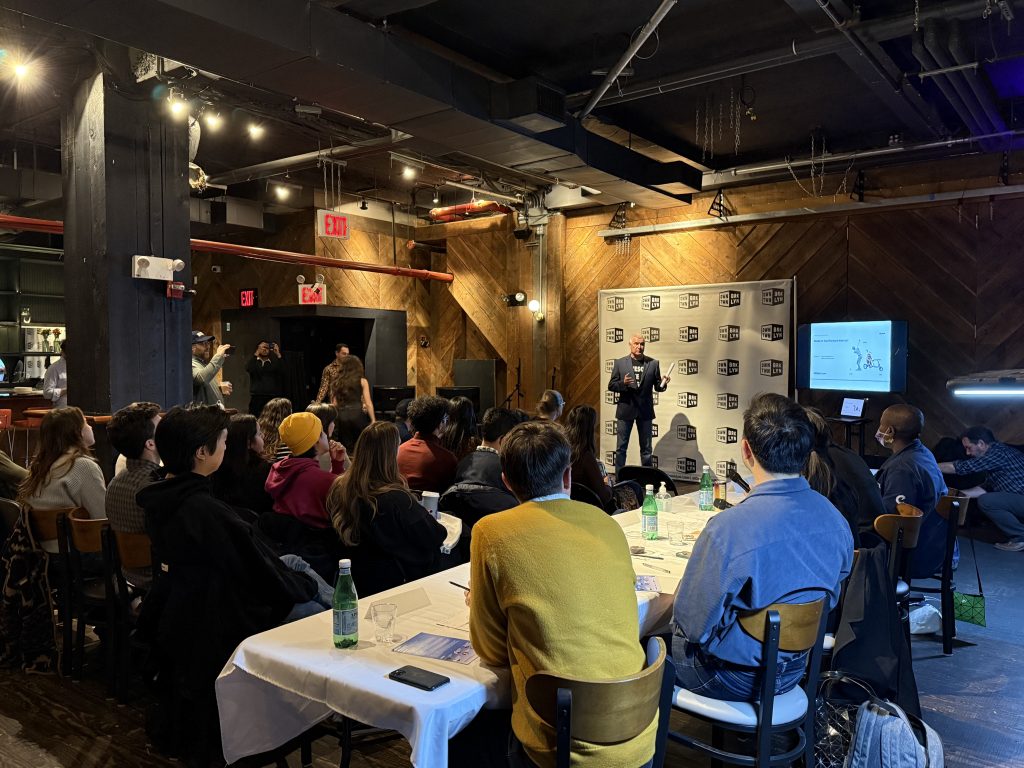
Our pilot success attracted media attention. The Brooklyn Downtown Star featured our story in November 2024, highlighting how Brooklyn startups were “pitching the next big thing in transportation tech” Brooklyn Downtown Star coverage.
More importantly, community organizations began reaching out. The Queens Delivery Riders Association invited us to present at their monthly meeting, where we connected with 80+ riders who provided invaluable product feedback.
The sidewalk parking issue resonated particularly strongly. Our research shows that NYC issues approximately 10,000 parking violations to delivery vehicles monthly, generating $1.2 million in fines but doing little to solve the underlying infrastructure problem our urban parking solutions address this challenge.
As we move into 2025, EZGlyd is transitioning from pilot testing to market launch. Our manufacturing partner in Taiwan can produce 1,000 units monthly, with plans to scale to 5,000 units by Q4 2025. We’re launching direct-to-consumer sales in New York City, with expansion to San Francisco, Los Angeles, and Chicago planned for 2026 our fleet deployment strategy outlines this growth.
Our vision extends beyond individual sales. We’re developing fleet partnerships with major delivery platforms that manage thousands of riders. A single platform deploying 500 EZGlyd vehicles could save $2.5 million annually in parking-related costs while reducing their carbon footprint by 180 tons of CO2 per year our sustainable fleet research shows this impact.
What started as an observation of a parking problem has evolved into a comprehensive solution for urban cargo mobility. The journey from coffee shop sketch to patent-protected product represents countless hours of rider interviews, engineering iterations, and community engagement. But every step reinforced our core belief: when you design for the real needs of delivery professionals, you create solutions that benefit entire cities our mission reflects this philosophy.